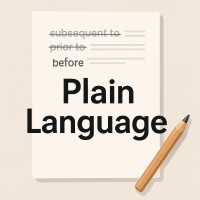
Clear communication helps everyone do their job better. When workers understand safety rules, job tasks, or company policies the first time they read or hear them, they can work safely and effectively. That’s why plain language matters.
Plain language uses clear, simple words and organizes information in a way that’s easy to follow. It doesn’t leave out important details and complex topics. It explains them in a way your audience can understand.
Why plain language is important
Plain language is not just a nice-to-have. It’s essential for:
- Workplace safety: Clear instructions help workers avoid mistakes and accidents.
- Productivity: When employees understand what’s expected, they make less mistakes and work more efficiently.
- Belonging and inclusion: Plain language ensures that people with different education levels, literacy skills, or language backgrounds can fully participate in the workplace.
How AWES uses plain language
At AWES we use plain language in everything we do. Our mission is to build more inclusive and productive workplaces through essential skills training and solutions, and plain language helps us make that mission a reality.
- We design clear training: We create our training materials using plain language principles. This helps learners focus on building skills.
- We teach others to use plain language: We offer workshops that teach employers and workplace trainers how to use plain language in their own communication. We also model it in our delivery, using clear instructions, organized content, and supportive visuals.
- We offer plain language document review: We help organizations review and rewrite internal documents to make them easier to understand. This could include promotional materials, job descriptions, orientation manuals, employer toolkits, etc.
- We build accessible learning. Plain language is part of our larger approach to accessible training. We use Universal Design for Learning (UDL) and Adult Learning principles to support people with different learning needs. This includes newcomers, people with literacy challenges, and others who may face barriers in the workplace.
The impact of plain language
When employers use plain language, workers feel more confident. Supervisors spend less time explaining things. Everyone benefits from clearer, more respectful communication.
Plain language is not about “dumbing things down.” It’s about making information easy to understand so everyone has a fair chance to succeed.
Want to learn more about how AWES uses plain language in training and consulting? Contact us at info@awes.ca to see how we can help.